Treatments
Bile Acid Sequestrants (BAS) are usually prescribed to help manage the symptoms of bile acid diarrhoea. The medications work by binding to the bile acids in the small bowel and preventing them from irritating the large intestine. It may take several days before an improvement in diarrhoea is seen and up to several weeks or months to find the right level of medication and dietary adaptation that help control the symptoms.
The main medications include:
Colestyramine and Colestipol - these medications only come in powder form. Unfortunately, some people find they can be unpalatable and are not tolerated due to taste or texture. If the dose is too high it can cause constipation, so it is important to adjust the dose according to symptoms
Colesevelam - this is a newer medication and comes in a tablet form. Some patients find it more palatable than Colestyramine. Again if the dose is too high it can cause constipation. These medications can affect the absorption of other drugs so must be taken 4 hours before or after other medications
Loperamide - this can be used as a primary treatment or alongside bile acid sequestrants
It is important to keep taking the medicines for ten days before deciding they do not work. It is very unlikely that having had a diagnosis of bile acid diarrhoea that it will improve without treatment, this treatment will likely continue for life. If the treatment is effective and it’s stopped, symptoms will almost certainly return either immediately or within a few days.
If you are pregnant or thinking about conceiving then please discuss your treatment with your GP and or antenatal team.
GLP-1 - Some people with bile acid diarrhoea have reported that GLP-1 medications, such as those prescribed for weight management or type 2 diabetes, have significantly improved their symptoms. While these patient experiences are encouraging, the evidence is still very limited, and we do not yet know how effective or appropriate these medications are for treating bile acid diarrhoea. More high-quality research is needed before any conclusions can be drawn or these medications can be recommended as a treatment for BAD.
GLP-1 medications are prescription medicines and are not suitable for everyone. They can cause side effects and, in some people, carry significant risks. If you think a GLP-1 medication might be appropriate for you, discuss it with your GP or hospital specialist, who can consider your individual circumstances, medical history and any potential risks and benefits. It is not advisable to obtain these medications privately without appropriate medical assessment and ongoing monitoring.
Diet - There is no single eating plan that works for everyone with bile acid diarrhoea. While research into dietary management is still limited, many people notice that certain foods make their symptoms worse. Common triggers include meals that are high in fat, as well as foods that are high in FODMAPs, which can increase wind and bloating in some people. Many healthcare professionals recommend trying a lower-fat diet because, although the research is still developing, clinical experience suggests it can help reduce symptoms for many people. Keeping a simple diary of what you eat alongside your symptoms can also help you identify your own personal triggers. It’s important to keep an eye on your weight. If you are unintentionally losing weight or avoiding lots of foods because of your symptoms, speak to your GP. They can refer you to a registered dietitian who can help you make dietary changes safely while ensuring you continue to meet your nutritional needs.
Further information on taking medications and diet is provided in our Living with BAD section.
Primary Medications used in the treatment of Bile Acid Diarrhoea
The three main medications used to treat the symptoms of BAD are Colesevelam (Cholestagel), Colestyramine (Questran & Questran Light) and Loperamide (Imodium).

Colesevelam is a tablet-form bile acid aequestrant that may be prescribed in place of Question.

Colestyramine is a powder bile acid sequestrate that is often used as the first treatment for BAD
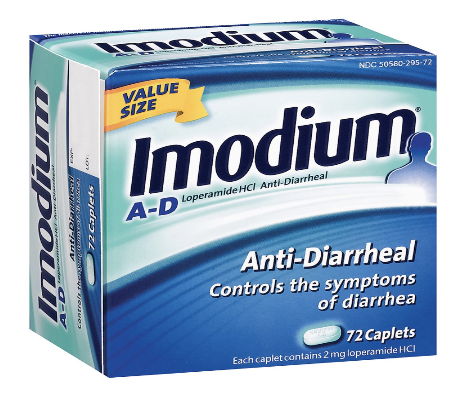
Loperamide (Immodium) is used to slow down the bowels and is often used in conjunction with bile acid sequestrate.